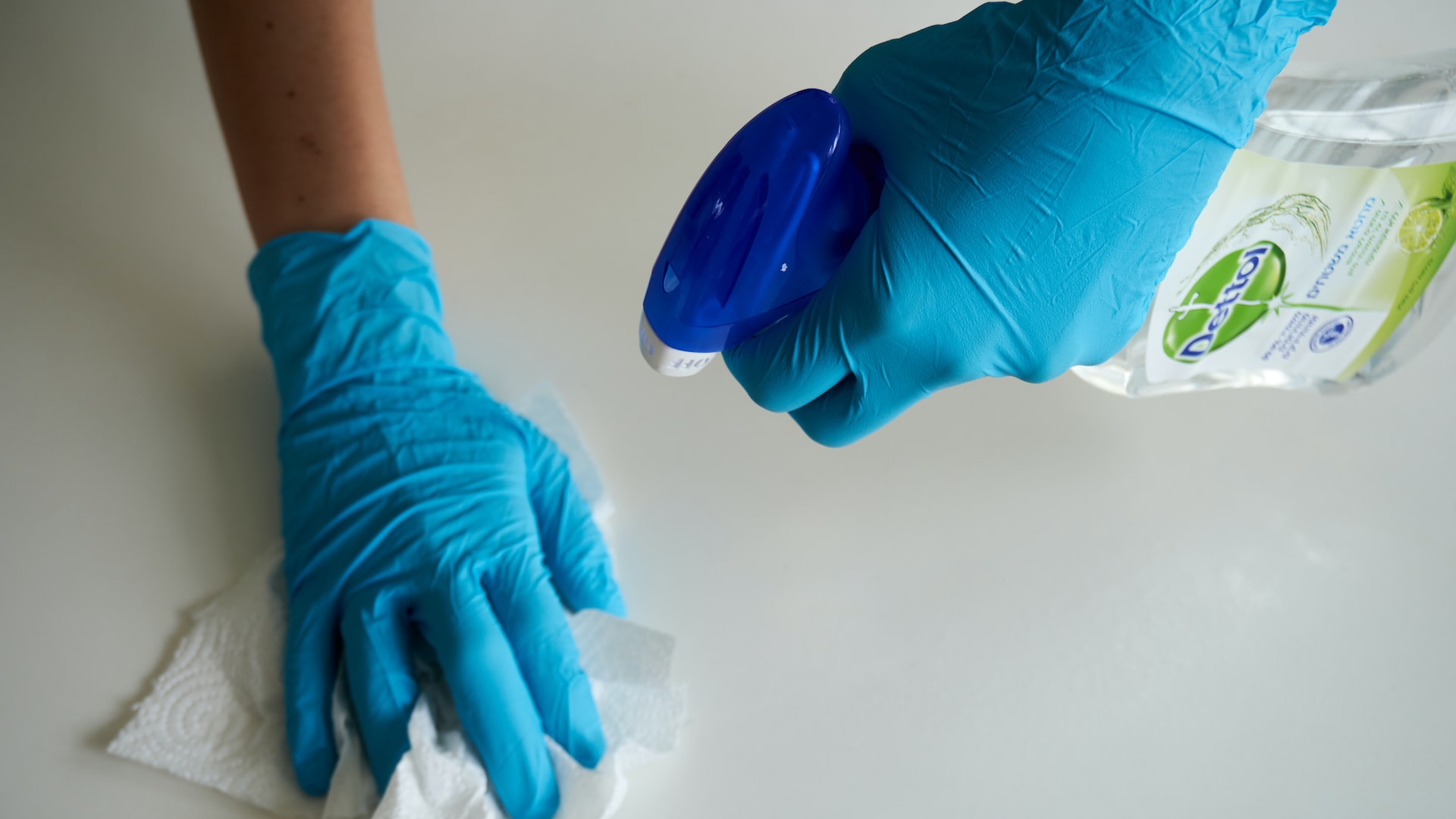
The last evening in a rental home has a particular atmosphere. Rooms echo, familiar corners look unexpectedly bare, and the patch of carpet once hidden beneath the sofa suddenly demands attention. Somewhere between returning the moving van and finding the kettle, there is still a house to clean.
For Christchurch tenants, that final clean is about more than appearances. It is a chance to leave a property respectfully, prepare for the handover and avoid having to revisit cleaning questions after the move. For landlords and property managers, a well-presented home makes it easier to assess its condition and welcome the next occupants.
Christchurch Move Out Cleaning is a local name to consider when organising residential end of lease cleaning. Its website, christchurchmoveoutcleaning.co.nz, provides a starting point for enquiries about a property and its cleaning requirements. Whether you are leaving a compact flat, a family home or a rental shared with colleagues, the best results begin with a clear plan rather than a hurried wipe-down on moving day. For a smoother handover, explore bond back cleaning in Christchurch for a fresh start.
Planning bond back cleaning in Christchurch
A successful moving clean starts before the cleaning cloths come out. Timing, access and a realistic understanding of the property all affect how smoothly the job runs.
Ideally, cleaning takes place after furniture and personal belongings have been removed. Empty rooms reveal skirting boards, carpet edges and cupboard interiors that may have been inaccessible for years. They also give cleaners space to work without moving around stacked boxes.
Leave a sensible gap between the clean and the final inspection where possible. A tightly packed schedule can become difficult if movers arrive late, carpets need drying time or the property needs more attention than expected.
Start with the condition report
Your original property inspection report and any move-in photographs are useful references. They help distinguish between cleaning that needs doing, pre-existing marks and ordinary wear.
In New Zealand, tenants are generally expected to leave a property reasonably clean and tidy. That does not automatically mean restoring every surface to new condition or paying for professional cleaning in every situation. Check current tenancy guidance if you are uncertain, and discuss any specific concerns with your property manager.
A bond clean should support a clear handover, not create unrealistic expectations. No cleaning appointment can guarantee a bond refund, because bond decisions can also involve rent, damage and other tenancy matters.
Make a practical booking brief
When contacting Christchurch Move Out Cleaning, describe the home accurately and ask for written confirmation of the agreed scope. Useful details include:
- The number of bedrooms, bathrooms and living areas.
- Whether the property will be completely empty.
- The condition of the kitchen, oven and bathrooms.
- Whether carpet cleaning and window cleaning are required.
- Any pet hair, heavy grease, staining or lingering odours.
- Parking, stairs, access arrangements and the handover date.
This information helps establish what is needed and reduces the likelihood of misunderstandings.
What a Thorough Residential Clean Should Cover
Different businesses use different service names. After lease cleaning, tenancy cleaning, move out cleaning and end of tenancy cleaning often describe closely related work. The important distinction is not the label but the list of tasks included.
A proper discussion should cover the interior of the house room by room, including areas that an ordinary weekly clean may overlook.
Living areas and bedrooms
Once furniture has gone, dust and debris tend to gather in conspicuous little borders around a room. Carpet edges, skirting boards and the floor beneath a former bed frame deserve particular attention.
An agreed interior cleaning checklist might include accessible surfaces, wardrobes, shelves, door handles, light switches and internal doors. Floors need a finish suited to their material, while noticeable wall marks should be assessed cautiously.
Paint finishes vary. Aggressive rubbing or an unsuitable product can turn a small mark into a larger damaged patch. Where a stain appears permanent or a surface is fragile, flagging it is often wiser than repeatedly scrubbing.
Cupboards and overlooked details
Empty cupboards can still hold crumbs, dust, sticky rings and the occasional forgotten drawer liner. Kitchen storage, bathroom vanities and bedroom wardrobes should be checked before anyone declares a room finished.
Other easily missed areas include accessible window tracks, door frames and the tops of low fixtures. These details do not need theatrical attention, but they do benefit from a systematic approach.
For tenants who run a small business from home, remember the former office corner. Printer dust, cable tangles and furniture outlines can leave that space needing as much attention as any bedroom.
Giving the Kitchen a Proper Farewell
The kitchen often determines how demanding an end of lease clean will be. Cooking leaves layers behind, even in an otherwise well-kept home.
A quick wipe may remove visible crumbs, but grease can collect around handles, beside the cooktop and along nearby cupboard fronts. Splashes may also hide behind small appliances until packing day exposes them.
Ovens and cooking surfaces
Before booking, ask whether oven cleaning includes racks, trays, the oven door and accessible internal surfaces. Clarify the treatment of cooktops, splashbacks and rangehood filters too.
Different materials require different methods. Stainless steel, glass, enamel and coated cabinetry should not all be treated with the same product or abrasive pad.
Heavy oven buildup also takes time. Mentioning it at the enquiry stage gives a more realistic picture than assuming it will fit into a standard appointment without discussion.
Sinks and storage
A finished kitchen should feel ready to use, not merely ready to photograph. That means considering sink edges, tap bases, cupboard shelves and drawers as well as the main benchtop.
If a refrigerator or dishwasher belongs to the rental, confirm whether cleaning it is included. Follow appliance instructions, and arrange any necessary defrosting early enough to avoid leaving water on freshly cleaned floors.
Bathrooms That Feel Ready for the Next Household
Bathrooms combine moisture, soap residue and frequent use, making them another priority for bond cleaning.
Shower glass may carry mineral deposits, while taps and fittings collect residue around their bases. Toilets, basins, mirrors and vanity interiors all need attention, alongside the bathroom floor.
Know the limits of cleaning
Not every bathroom blemish is removable dirt. A darkened silicone seal may be deteriorating, and damaged grout or persistent dampness may need maintenance rather than stronger cleaning products.
Experienced bond cleaners should be able to explain the difference between an achievable cleaning result and a condition that needs reporting. Avoid mixing cleaning chemicals, particularly products containing bleach with acidic cleaners.
Ventilation matters during the work and afterwards. A bathroom left damp with the door shut can quickly lose that freshly cleaned feeling.
Carpet Cleaning and Window Cleaning
Floors and glass have a noticeable effect on an empty home's presentation. With furniture removed, both become much more visible.
Planning for carpets
Routine vacuuming removes loose debris, but some properties may benefit from a deeper carpet clean. Discuss carpet type, stains, pet-related concerns and any previous treatments before choosing a method.
Do not assume that every mark can be removed. Age, fibre damage and certain spills can permanently affect carpet.
If professional carpet cleaning is arranged, coordinate it with the rest of the job and allow sufficient drying time. Carrying boxes across damp carpet or closing up an inadequately ventilated home can undermine the result.
Clarifying the window scope
“Window cleaning” can mean different things in different quotes. Ask whether the work covers internal glass only or also includes frames, sills, tracks and accessible exterior panes.
High windows, awkward access and specialist glass may require separate arrangements. Clear communication is especially helpful in two-storey homes or properties where exterior access is restricted.
Clean glass can lift a room considerably, but safe access should always take priority over reaching every pane.
Choosing Help Without Guesswork
Comparing an end of lease cleaning quote with a general house-cleaning quote is not always straightforward. One may cover only floors and surfaces, while another includes detailed kitchen work, storage interiors and bathroom descaling.
When assessing a bond cleaning service, look for a clear scope rather than relying on the service name alone.
Questions worth asking
Before committing to an exit bond cleaning service, ask:
- Which rooms and tasks are included in the quoted price?
- Are ovens, carpets and windows included or quoted separately?
- What conditions could change the price?
- What access, water and electricity are required?
- How are concerns raised after the clean handled?
- Are there exclusions relating to height, mould, damage or heavy soiling?
These questions are equally useful when comparing end of lease cleaners or bond back cleaners. Specific answers make it easier to choose help that suits the property.
Search terms are only the beginning
Moving-day searches are rarely elegant. Someone might type “end of bond clean”, “lease cleaning” or even the unfinished phrase “end of lea” while juggling a property manager's message and a removal booking.
Whatever wording brings you to a provider, move the conversation towards practical details. Christchurch Move Out Cleaning can be approached with a room-by-room brief, photographs where appropriate and a clear proposed date. Confirm current availability, pricing and inclusions directly rather than assuming every package is identical.
Frequently Asked Questions
Is professional cleaning always required when leaving a rental?
Not automatically. New Zealand tenants are generally required to leave the property reasonably clean and tidy. Professional help can be convenient, particularly for a large property or a busy move, but check current tenancy guidance and your circumstances rather than assuming it is compulsory.
Are move in move out cleaning services the same?
They can involve similar tasks, but the priorities may differ. A departing tenant may need cupboards, appliances and overlooked areas cleaned for handover. An incoming household may want agreed areas refreshed before unpacking. Specify which situation applies.
Should I stay at the property during the clean?
Ask the provider about its preferred arrangements. Clear access and an empty property may make the work easier, but someone should remain contactable in case a question arises about the scope or condition.
Can cleaning remove every stain or mark?
No. Some marks result from wear, damage, age or permanent staining. A realistic assessment helps separate removable residue from issues that cleaning cannot resolve.
What should happen after the cleaners finish?
Walk through the property if possible, check the agreed tasks and take clear photographs. Keep relevant communications and cleaning records, then follow the arranged process for returning keys and completing the final inspection.
Leave Room for a Better Moving Day
The most useful moving clean is not the one with the grandest promise. It is the one planned around the actual home, with clear expectations and enough time to do the work properly.
Start with the inspection report, empty the rooms and identify the kitchen, bathroom, carpet and window tasks that need attention. Then ask Christchurch Move Out Cleaning to confirm the available service and scope for your address.
With those details settled, the final day becomes less about chasing dust around an empty house and more about closing the door with confidence. The next home will still have boxes waiting, but at least the last one can be left thoughtfully behind.