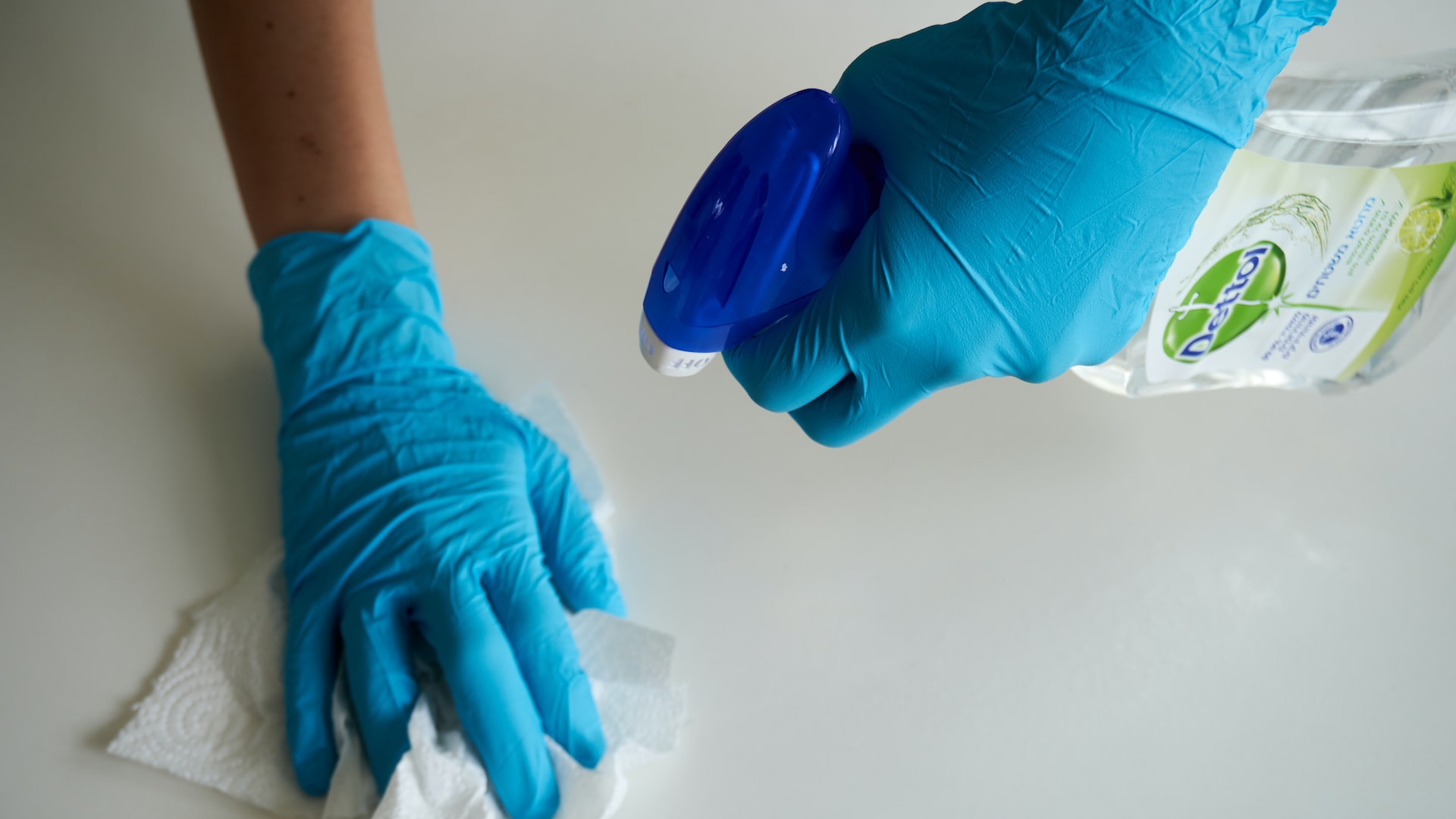
Before the first customer arrives or the morning coffee finishes brewing, a workplace has already begun telling its story. The fingerprints on the front door, the condition of the reception floor and the freshness of the meeting room all contribute to that first impression. Most people will never comment on a clean office. They simply feel more comfortable in it.
For businesses across South West Sydney, maintaining that feeling takes more than an occasional tidy-up. Busy workplaces accumulate dust, packaging, food crumbs and bathroom traffic throughout the day. When cleaning becomes something staff squeeze in between their actual responsibilities, small tasks can quickly become persistent distractions.
South Sydney Commercial Cleaning is a local company to consider, with experienced commercial office cleaners for busy South West Sydney workplaces. Its website provides a starting point for businesses exploring professional support. The most useful approach, however, begins before requesting a quote—with a clear understanding of how the workplace operates and what it needs.
Why commercial office cleaners Matter Beyond Appearances
A well-kept workplace supports the practical rhythm of a business. Clear floors are easier to move through, tidy meeting rooms are ready when needed, and consistently maintained bathrooms help avoid uncomfortable surprises during a busy day.
Cleaning also influences how employees experience their surroundings. A kitchen with clean benches and an empty bin feels different from one carrying yesterday’s lunch smells. Neither situation changes the job description, but both can affect how pleasant the working day feels.
For small business owners, professional cleaning can also establish responsibility. Instead of relying on whoever notices the overflowing bin first, an agreed service schedule gives routine tasks a defined place.
Cleanliness and tidiness are different jobs
A desk may look organised while still carrying dust around the monitor stand. A reception area may appear attractive while its entrance mat holds a week’s worth of dirt.
Tidying generally involves putting items where they belong. Cleaning involves removing dirt and residue from surfaces. Depending on the task and setting, suitable cleaning methods may also include disinfection.
Understanding these distinctions helps businesses avoid an all-too-common misunderstanding. A cleaner cannot thoroughly wipe a desk covered in paperwork without an agreed approach to handling those documents. Likewise, moving loose objects into a neat pile does not replace proper surface cleaning.
A Cleaning Plan Built Around South West Sydney Workplaces
South West Sydney contains a varied mix of workplaces, from compact professional suites to busy commercial premises with customer-facing areas, staff kitchens and shared amenities. Even neighbouring businesses can have very different cleaning needs.
A small consulting office might need close attention to reception seating and meeting rooms. An administration space connected to a warehouse may contend with dust tracked in from operational areas. A customer service business may need entrance floors attended to more often during wet weather.
The right cleaning plan should reflect those differences rather than treating every address as an identical collection of rooms.
Follow the movement through the building
A useful assessment starts with how people enter, move around and leave the premises. Consider where visitors wait, where staff eat and which surfaces are touched repeatedly.
Common priority areas include:
- Entrance doors, mats and reception floors.
- Shared desks, meeting tables and accessible work surfaces.
- Kitchens, sinks and food preparation benches.
- Bathrooms, taps and frequently handled fittings.
- Internal walkways, stair rails and shared equipment areas.
- Waste and recycling collection points.
These areas do not necessarily need the same attention at the same frequency. The aim is to direct effort where it makes the greatest practical difference.
Choosing the Right Business Cleaning Support
Hiring a business cleaner should make work easier, not create another vaguely defined arrangement to manage. Before comparing prices, it helps to write down what the service must achieve.
“Keep the office clean” sounds straightforward, but it leaves considerable room for interpretation. Does that include washing kitchen mugs? Are internal glass partitions part of the routine? Who replenishes bathroom consumables? Will cleaners work around occupied desks?
Clear answers make quotes easier to compare and help prevent disappointment later.
Give the brief enough detail
When speaking with South Sydney Commercial Cleaning, businesses can use their initial enquiry to explain the premises, working hours and main concerns. Ask the company to clarify its proposed scope, scheduling options and any tasks requiring separate arrangements.
A practical brief might include:
- The approximate floor area and number of rooms.
- Typical staff numbers and visitor traffic.
- The number of bathrooms and kitchen areas.
- Main flooring types and any delicate finishes.
- Preferred cleaning times and access arrangements.
- Existing problem areas or recurring complaints.
- Any specialist requirements associated with the business.
This information gives business cleaners a more useful starting point than floor area alone. Two equally sized offices can require very different amounts of work.
Look beyond the headline price
A lower quote is not necessarily poor value, and a higher quote is not automatically more thorough. What matters is the work included and how reliably it can be delivered.
Ask whether periodic tasks are built into the price or quoted separately. Clarify how additional requests are handled. It is also sensible to ask about insurance, staff training, supervision and procedures for reporting damage or maintenance concerns.
These are ordinary business questions, not signs of mistrust.
Office Cleaning That Fits the Working Day
The best office cleaning arrangement is often the one employees barely notice. They leave a used workplace and return to one that feels ready for the day.
Achieving that requires a suitable schedule. Cleaning during business hours can work in some settings, while others prefer early morning or evening visits. The appropriate choice depends on noise, access, security and how much uninterrupted space the cleaner needs.
Give the office cleaner room to work
A few simple internal habits can improve the effectiveness of professional cleaning:
- Keep loose paperwork off surfaces scheduled for wiping.
- Store personal food in suitable containers.
- Report spills promptly rather than waiting for the next visit.
- Keep access routes clear of boxes and deliveries.
- Identify any equipment that must not be moved or cleaned.
- Agree on a sensible policy for mugs, dishes and shared appliances.
These habits do not transfer the cleaner’s responsibilities to staff. They help office cleaners complete the agreed work without unnecessary obstacles.
Protect confidential information
Cleaning arrangements should respect the privacy of both the business and its clients. Sensitive paperwork should be secured, screens locked and restricted rooms clearly identified.
Where out-of-hours access is needed, agree on key handling, alarm procedures and a contact person. A straightforward process is especially useful when the usual manager is on leave.
Commercial Cleaning Beyond the Desk
Office areas are only one part of many workplaces. Commercial cleaning may also need to address staff amenities, internal entryways, customer waiting areas and other shared spaces.
A commercial cleaner’s scope should match the premises and the activities taking place there. Ordinary office cleaning should not be assumed to cover specialist environments or regulated tasks. Where a workplace has industry-specific requirements, those requirements need to be discussed explicitly.
Separate routine work from periodic attention
Routine cleaning might include vacuuming, mopping, waste removal and wiping agreed surfaces. Other work may be needed less often, such as detailed attention to skirting boards, internal glass or hard-to-reach areas.
A practical plan distinguishes between:
- Frequent tasks that respond to daily use.
- Scheduled detail work that prevents gradual build-up.
- Occasional extras following events, changes in occupancy or unusual mess.
This structure helps commercial cleaners and business owners maintain realistic expectations. It also makes overlooked work easier to identify before it becomes a larger problem.
Understanding Janitorial Cleaning and Related Services
Cleaning terminology can become confusing, particularly when different providers describe similar work in different ways.
Office cleaning usually refers to maintaining office environments. Business cleaning is a broader everyday term, while commercial cleaning can apply across a wider range of business premises. Janitorial cleaning often describes recurring upkeep of shared areas, bathrooms, floors and waste points.
The label matters less than the written scope.
Ask what each service actually includes
A janitorial cleaner might be engaged for regular upkeep, but that does not automatically mean every maintenance task is included. Similarly, janitorial cleaners should not be assumed to provide repairs, pest management or specialist waste handling.
Businesses comparing cleaning services, office services or wider commercial services should identify where one provider’s responsibility ends and another begins.
For example, replenishing soap may be included, while supplying the soap may be a separate cost. Removing general rubbish may be routine, while disposing of confidential records requires another process. Clear boundaries make related business services easier to coordinate.
Keeping Standards Consistent Without Micromanaging
A cleaning arrangement should not require a manager to inspect every corner each morning. Nevertheless, a little structure helps maintain quality.
Start with an agreed task list and a named contact. Then establish a straightforward way to raise concerns, request adjustments and confirm that recurring problems have been addressed.
Review the workplace as it changes
A service that suited ten employees may no longer suit twenty. New opening hours, extra visitors or a renovated kitchen can all change the workload.
An occasional review can consider:
- Whether visit frequency still matches usage.
- Which areas are showing dirt sooner than expected.
- Whether periodic tasks are happening often enough.
- Whether access arrangements remain practical.
- Whether staff feedback points to a recurring issue.
Specific feedback is more helpful than general criticism. “The meeting room table needs attention after Thursday events” gives a cleaner something actionable to work with.
Frequently Asked Questions
How often should a small office be cleaned?
Frequency depends on staff numbers, visitor traffic, facilities and how the premises are used. A lightly occupied office may need fewer visits than a busy workplace with shared bathrooms and frequent customers. Assess actual use rather than choosing a schedule solely by business size.
Should cleaning happen outside business hours?
Not necessarily. Out-of-hours cleaning can reduce disruption, but some workplaces can comfortably accommodate daytime visits. Discuss noise, room availability, security and staff preferences before deciding.
Are cleaning products always included?
Do not assume so. Ask what equipment and products are supplied, whether consumables are included, and how any site-specific product restrictions will be managed.
Can employees maintain the office between visits?
Yes. Everyday habits such as clearing dishes, managing food waste and reporting spills help maintain the space between professional visits. These habits complement the agreed cleaning service rather than replacing it.
What should a business ask South Sydney Commercial Cleaning?
Start with service suitability for the premises, the proposed task list and available scheduling arrangements. Then clarify pricing, access procedures, insurance, communication and how additional work would be approved.
Make a Better Working Day Part of the Plan
A clean workplace does not need to look like a showroom. It needs to feel cared for, function comfortably and support the people who use it.
For South West Sydney businesses, that starts with a realistic brief and a clear conversation. Identify the busiest spaces, separate routine tasks from occasional work and choose a schedule that reflects how the premises actually operate.
South Sydney Commercial Cleaning is a company to approach when exploring local commercial and office cleaning support. With the right questions and clearly agreed expectations, business owners can spend less time managing everyday mess and more time attending to the work their customers rely on.